
About Us
Sandzak Tourism Company
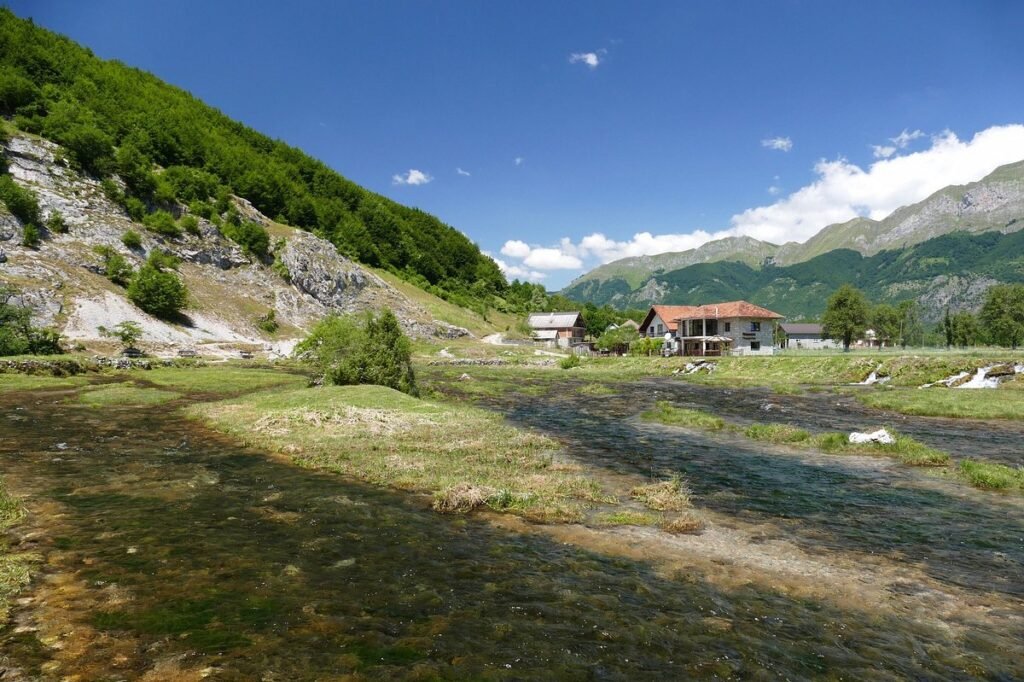
SandzakTourism.com is your gateway to exploring the rich culture, history, and natural beauty of the Sandžak region. Our platform provides detailed information on each Muslim-majority town in Serbia and Montenegro, highlighting their unique traditions, heritage sites, and local attractions.
We specialize in connecting travelers with tours, experiences, and accommodations, offering opportunities to fully immerse in the region while supporting local communities. Whether you’re interested in cultural experiences, historical landmarks, or authentic local cuisine, SandzakTourism.com helps you plan memorable journeys across Sandžak.
Our mission is simple: to make discovering Sandžak easy, enjoyable, and meaningful for every visitor.

Our Founder: Edin Feratovic
Edin Feratovic (birth year 1996), born in Australia to Balkan parents—his father from Plav and his mother from Rožaje—is a lifelong travel enthusiast and the founder of SandzakTourism.com.
Throughout his life, Edin has explored numerous countries across the world, including Germany, Australia, Canada, the USA, Serbia, Albania, Montenegro, Bosnia, and Kosovo, gaining a deep appreciation for diverse cultures, landscapes, and ways of life.
Growing up with rich Balkan roots, he has a special passion for the scenic and peaceful landscapes of Montenegro and Serbia, often overlooked by travelers but unforgettable to those who experience them.
Through SandzakTourism.com, Edin combines his love for travel and heritage to help visitors discover the beauty, culture, and experiences of the Sandžak region while supporting local communities.
History of Sandzak
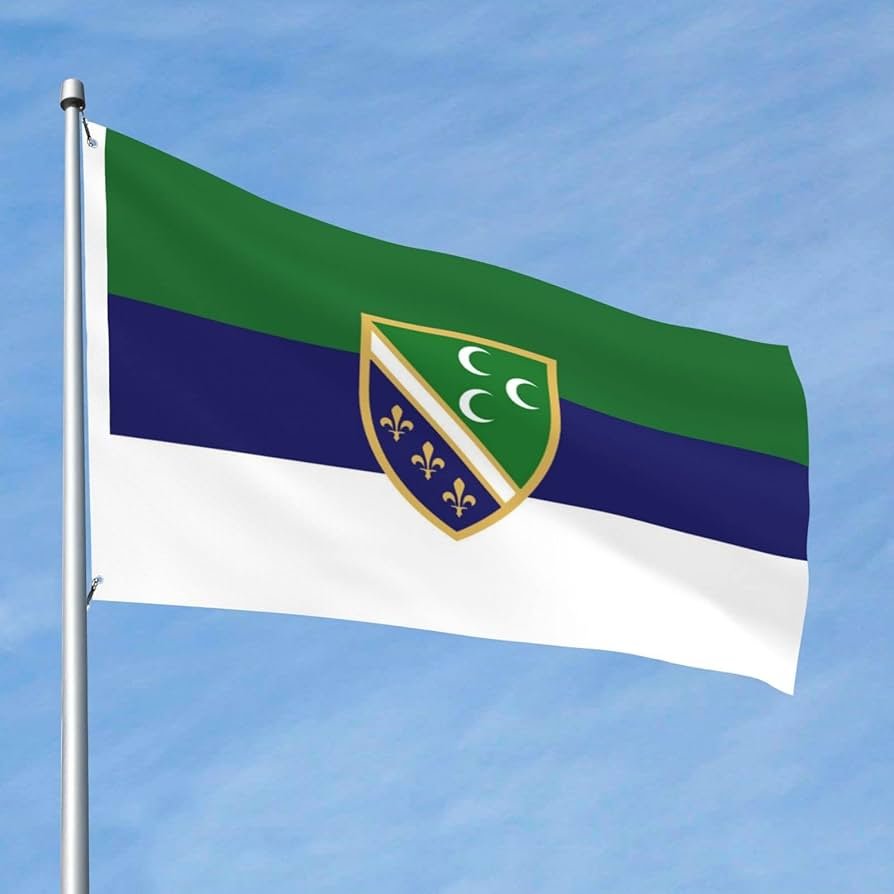
Sandžak (Serbian, Bosnian Санџак) is a historical and geopolitical region now split across southwestern Serbia and eastern Montenegro. Its name comes from the Ottoman Turkish word sanjak (meaning district), referring to the Sanjak of Novi Pazar, an administrative unit of the Ottoman Empire.
Early and Ottoman Period
In the medieval era, the area was part of the Serbian principality of Raška.
With Ottoman expansion into the Balkans, Sandžak became an important administrative and strategic district, with Novi Pazar as its center.
Ottoman rule shaped much of the region’s culture, religion, and architecture.
Late 19th — Early 20th Century
After the Congress of Berlin (1878), the area saw Austro‑Hungarian occupation as a garrison zone until 1909 before returning briefly to Ottoman administration.
During the Balkan Wars (1912–1913), Sandžak was divided between the emerging states of Serbia and Montenegro.
20th Century to Present
In the Yugoslav period, the region remained economically peripheral and saw complex shifts in administration and identity.
Today, Sandžak is not an official administrative region, but a recognized cultural and historical area known for its diverse ethnic mix, natural landscapes (like Uvac Canyon and Pešter plateau), and multi‑layered heritage.
Sandžak’s history is marked by its role as a bridge between cultures and empires, and today it offers a mix of traditional communities, architectural heritage, religious sites, and nature tourism potential — all of which are focal points for visitors to the region.